This is my super duper quick version of the totani ripieni recipe; perfect for when you want to treat yourself but have worked long hours.
Get 4 nice calamari. You know they are fresh when they still have their skin on. Clean them and separate the tentacles from the long head.
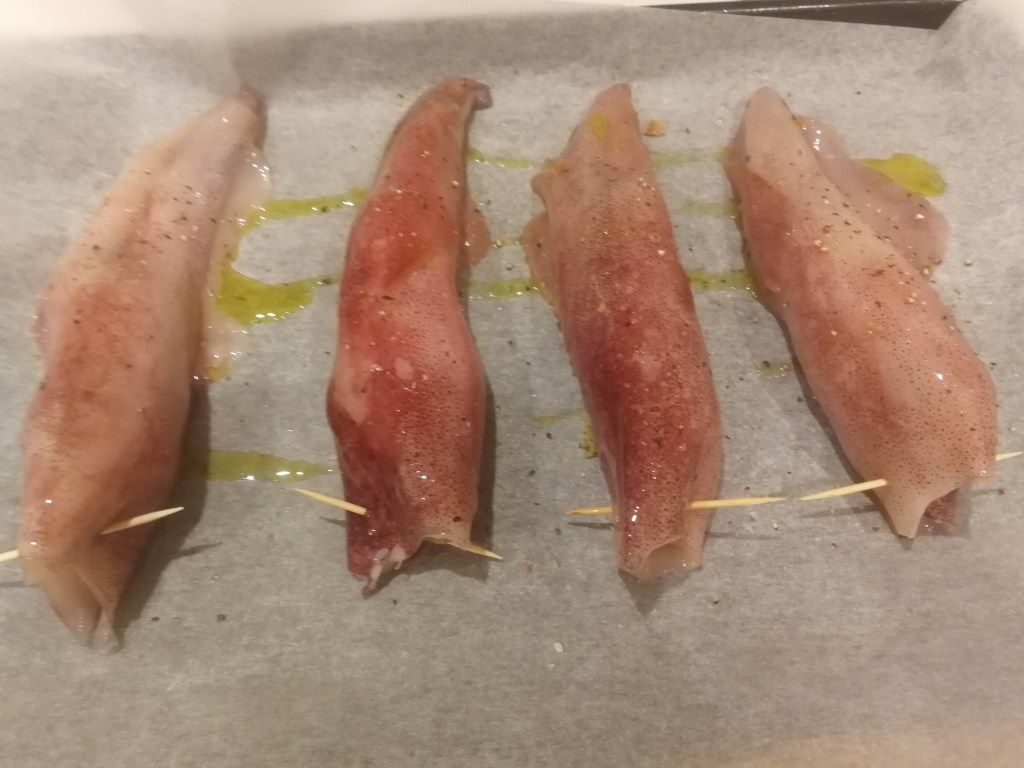
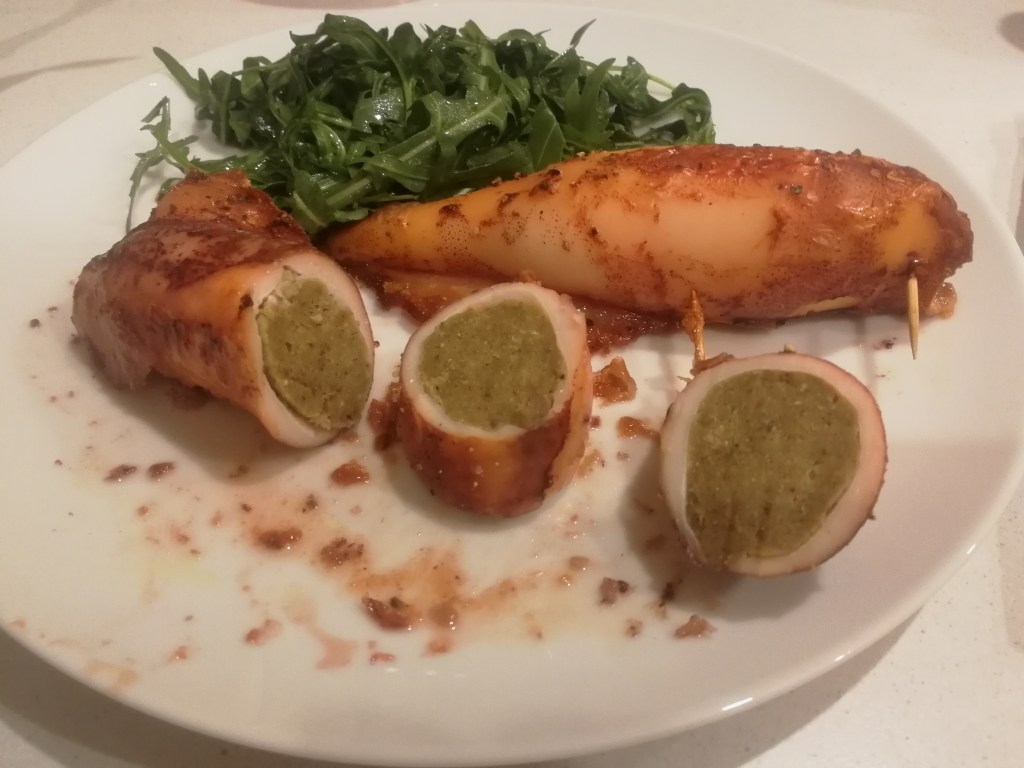
Now blitz the tentacles with stale bread, a bunch of parsley, one garlic clove and add salt and pepper. Take the oven to 175°. Stuff the calamari head with the paste obtained, close them with a toothpick as shown in the picture below. Put some baking paper on a tray and place the calamari on it. Grind a little bit of salt and pepper on them, grease them with a touch of extra virgin olive oil and then bake for 30 minutes. You are done, congratulations!
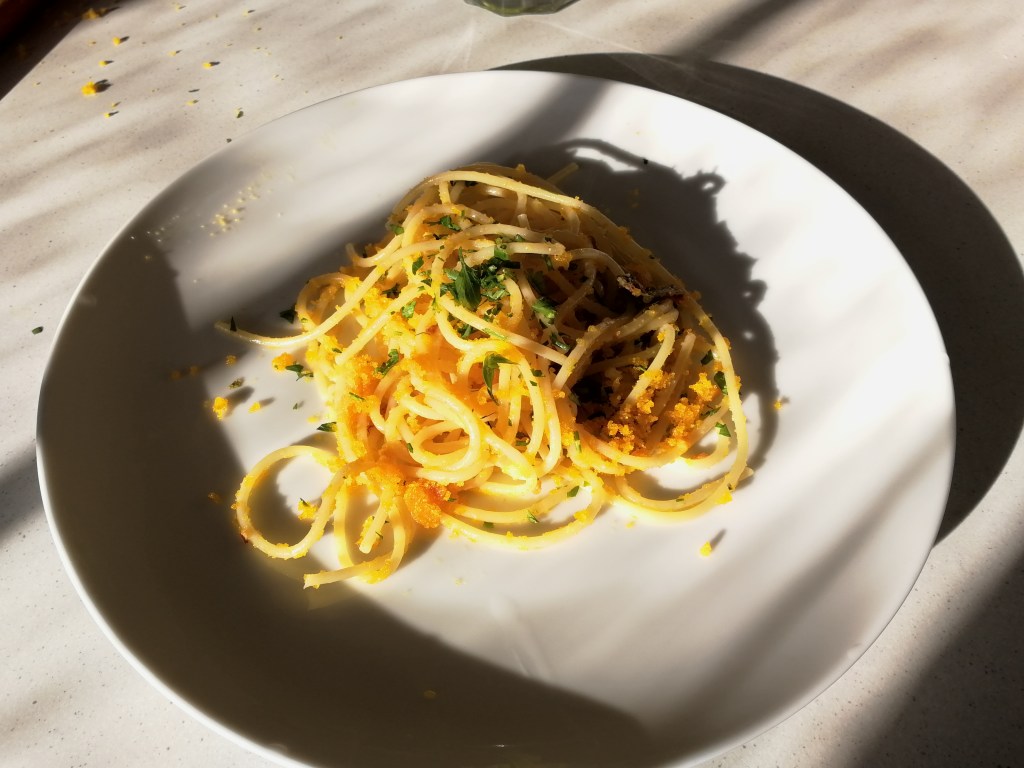
Spaghetti con la bottarga has always been one of my favourite dishes. It is so full of character, so quintessentially marine. Enough poetry, let us learn how to make this delicacy. The idea is to make a aglio, olio e peperoncino (aka spaghetti with garlic, e.v. olive oil and chilli) and then to grate bottarga on it. Hence,
Fill a large pot with water and put it on a high flame; while it you wait for it to boil, do the rest;
Finely chop a bit of parsley: you will need it later;
While the water heats up, pour extra virgin olive oil (e.v.o.) on a pan, medium flame. It needs to be a good quality e.v.o.;
Once the oil is hot, put garlic and chilli into the pan and let them lightly fry;
The water is boiling: salt it. If you don’t know how much salt to put, follow this rule of thumb: For each 100 grams of pasta, put 1 litre of water and 10 grams of salt;
Now put the spaghetti in the boiling salted water;
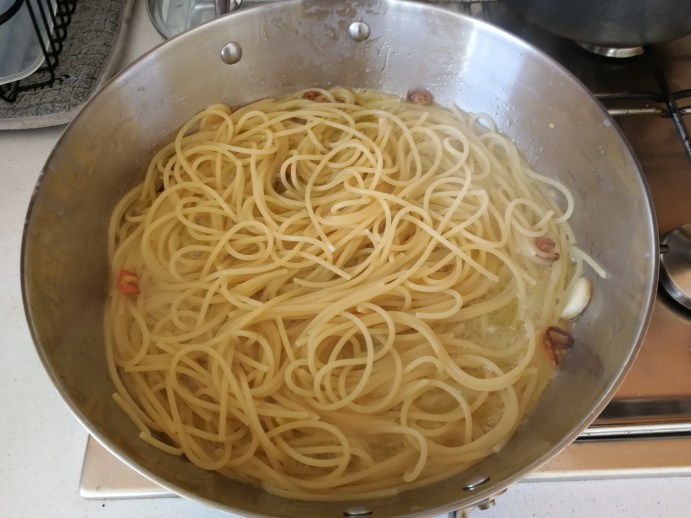
Cook the pasta al dente. The suggested cooking time for pasta al dente is usually written on the pasta box. However, for this recipe, drain the spaghetti one minute before that suggested cooking time and place the spaghetti in the pan (with the garlic and chilli). Keep some pasta water on the side, in case you need to adjust the density of the “sauce”;The aglio, olio e peperoncino finishes to cook in the pan (I added some water because it needed more cooking)
Pan-fry the spaghetti for a minute;
Once the minute has passed, turn the flame off and finely grate about a tablespoon of bottarga onto the spaghetti and gently mix. Be careful not to over do it, you will grate some more bottarga on each individual plate that you serve;
The final step is to serve the pasta! As already noted, you may grate a bit more bottarga on top of the spaghetti. Don’t forget to sprinkle with parsley.
Congratulations! You are a privileged human being. Fortunately I still have some bottarga in the fridge…
Hi mum, hi sisters. Thank you for being my only readers, although you certainly do not need me to explain to you in a foreign language what you can find in most Italian cookbooks. Today we continue our fundamentals series, by adding the crustacean stock to the list. As I said before, a good stock is key to a restaurant-level dish.
There are several ways to make this recipe, some methods being more complex than others. I like this version, because it gives the maximum result with the minimum effort:
Start by removing the shell and head from the crustaceans.
Prepare a pan with a thin layer of extra-virgin olive oil on a medium-high flame.
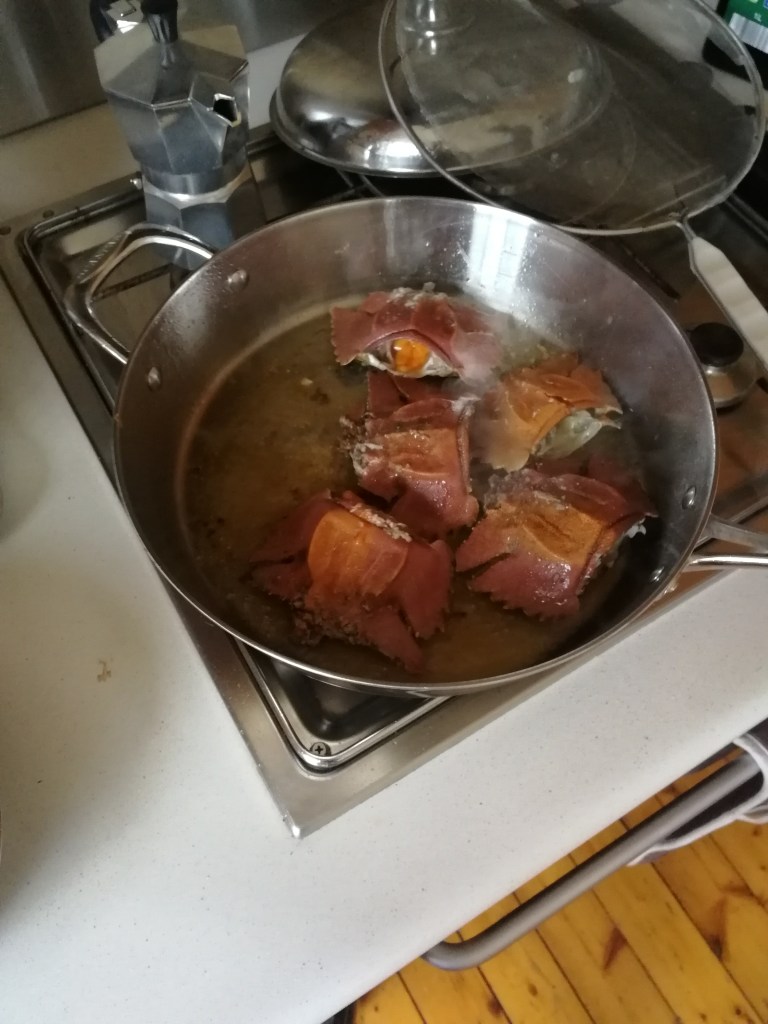
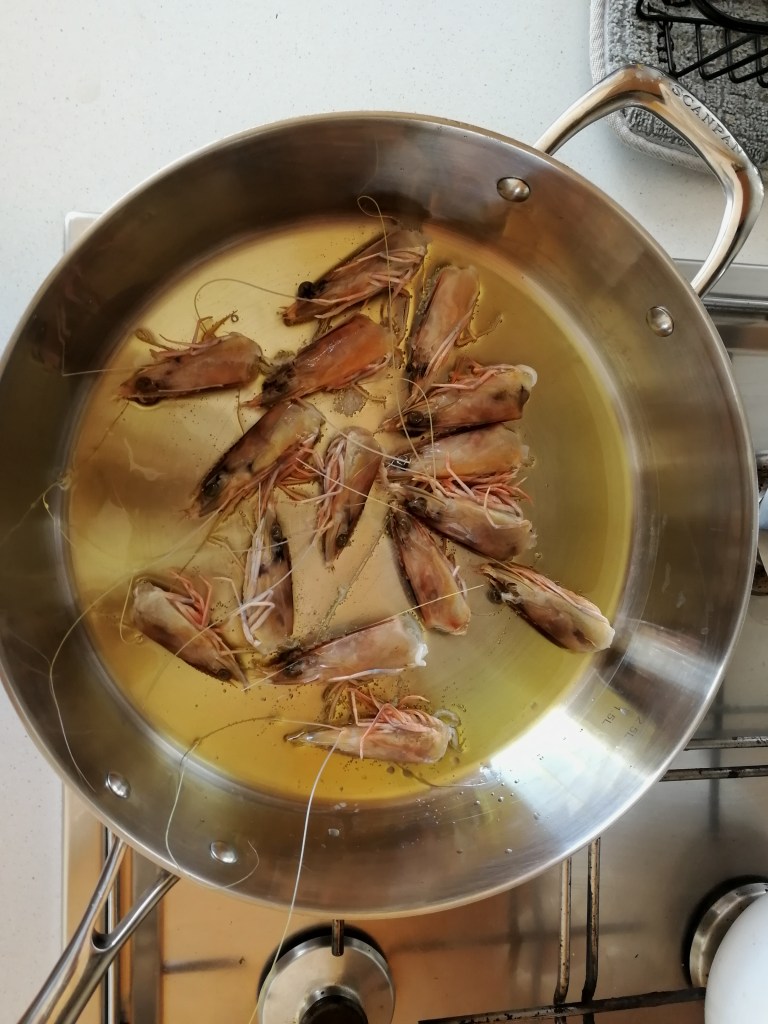
Once the oil is hot (you can check by throwing a breadcrumb in to see if it fries), put the shells and the heads in the pan and brown them. The more you brown them, the stronger the flavour. In any case, it is a matter of 5-10 minutes maximum.
After this,splash them with brandy (or another sweet liquor) and set it alight (flambé). Once the fire wanes, add cold water. Be sure to add enough water to cover the shells and heads completely. Any extra water will only dilute your stock.
If you don’t have cognac/brandy or you don’t feel comfortable with the flambé, pour half a glass (approx.) of white wine and let it evaporate, then cover with water as described above.
Right after pouring the cold water, you may choose to add herbs to the stock (see bouquet garni). I prefer to enhance the delicate flavour of the crustacean as much as possible, without adding anything extra.
Allow the stock to gently boil (sobbollire) for half an hour (minimum) and then filter. You have your stock!
Browning prawn heads for another instance of crustacean stock.
Now, as you can see in the pictures above, I like making this recipe with the heads only. This is because I generally make this stock in preparation for a seafood pasta and I prefer to cook the tails with their shells on when preparing the sauce.
As a side-note, there is a trick for the lazy and for the late. If you are making a seafood pasta, just put the shells in the same boiling salted water in which you will later cook the pasta. They will release their flavour while you prepare the rest of the sauce!
See you in a few days with more about how to make a beautiful sauce with this stock!
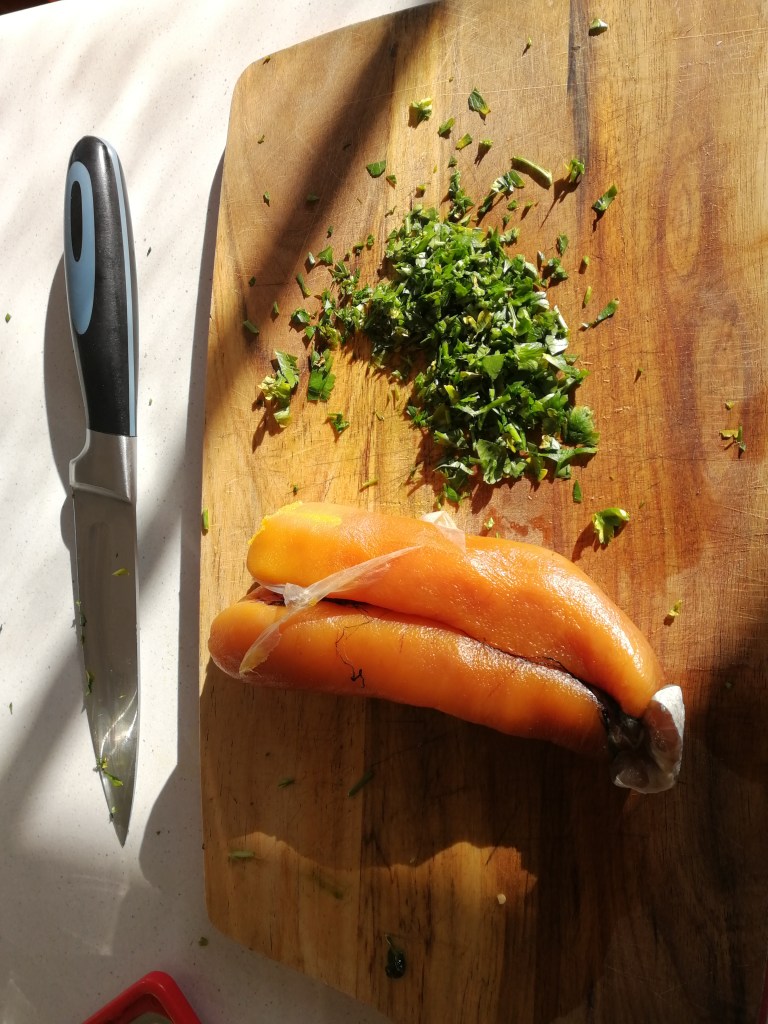
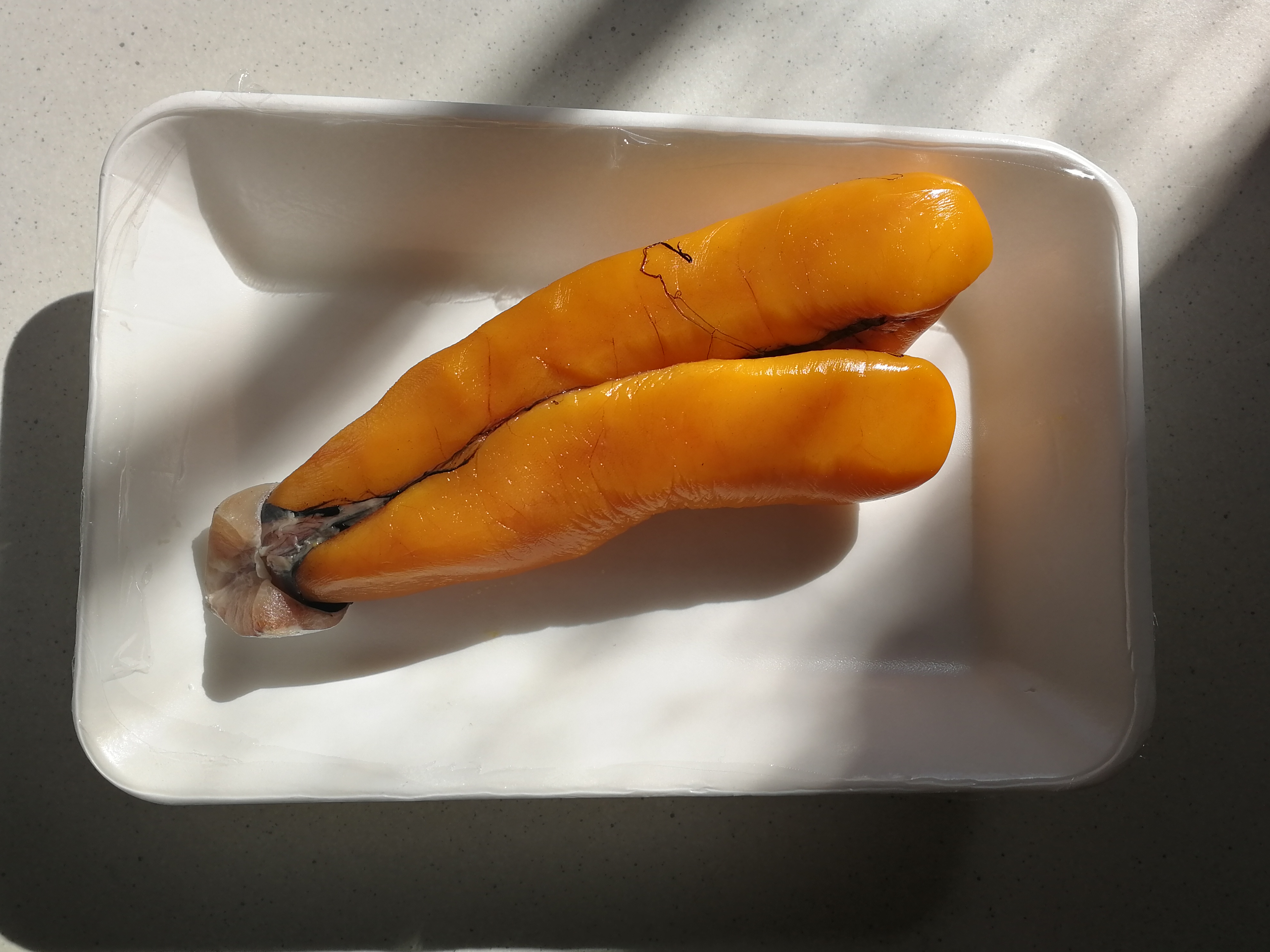
Yesterday, at Sydney’s Fish Market, the fish roe caught my attention. I bought it at 35 AUD/kilo (approx. 10 AUD each) thinking something tasty would have come from it. Once at home, I decided to research how bottarga is made. Chef Stefano Barbato explains the surprisingly simple recipe on YouTube (in Italian).
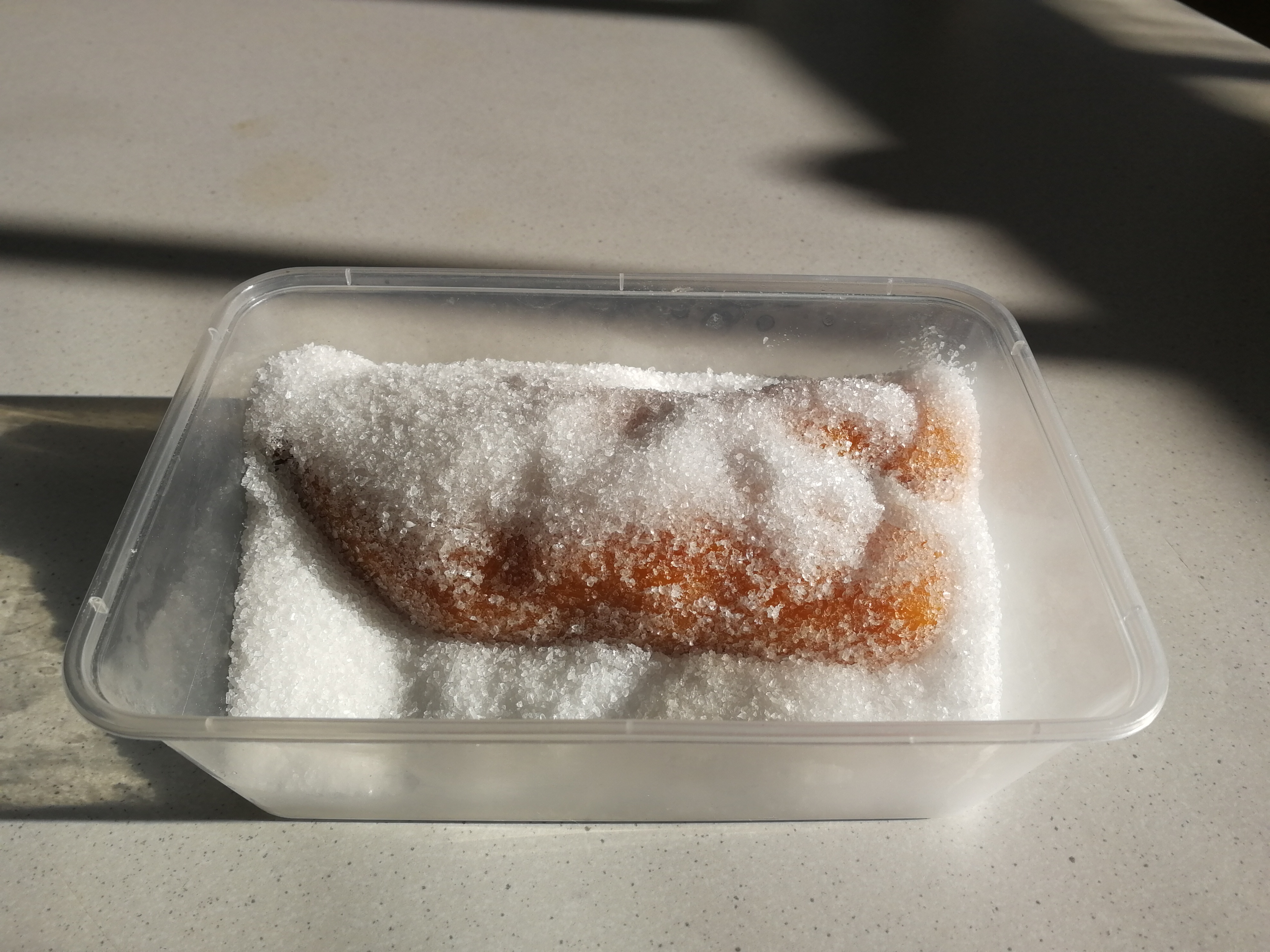
Cover the fish roe in salt in a box;
Leave it in the fridge for at least 2 days;
It’s ready: you can make beautiful and easy spaghetti with bottarga!
I will soon show you my results and make a post about spaghetti with bottarga, something to die for.
 Italo's Kitchen