Slow-cooked Pork Ragù Pappardelle

Ingredients (one-course meal for 4 people)

  • 1 kg of pork neck
  • 5 carrots
  • 1 onion
  •  celery stick
  • 3 juniper berries
  • 1 bay leaf
  • extra virgin olive oil
  • 1/2 litre of chicken stock (the simplest, most natural one you can find at the shops)
  • a rosemary branch
  • black pepper
  • salt
  • 500g pappardelle

Preparation

  1. Seal the pork neck on high heat in a big pan greased with evo
  2. Deglaze with a glass of white wine
  3. Once the alcohol smell is gone, take the pork neck out, cut it into big cubes (say 2x2x2 cm) and then put everything in a pot, together with carrots and celery in chopped in big chunks and the whole onion with 3 cloves “nails” pinned into it
  4. Add the stock and enough water to cover everything
  5. Add juniper berries, 5 peppercorns, the bay leaf
  6. Let it stew on boil gently for 3 hours—heat should be low enough to allow for gentle boiling
  7. Once done, take the carrots out and smashed them
  8. Put the pasta in the empty big pan you used before (big pot if you don’t have one) together with the meat and smashed carrots pouring 2/3 of the stew juices in
    1. add the rosemary
    2. salt now everything, gradually adjusting as it cooks, according to taste
    3. keep gently mixing, so that all the pasta cooks in the juices
    4. you will notice that the pork meat will break down nicely during this process
    5. add the remaining juices in a couple of rounds—the goal is to have the pasta wet enough to cook it while also getting a thick sauce (too much liquid would make it soupy)
  9. Once the pasta is al dente (it should take between 5 and 8 minutes), add a bit of grated Parmigiano Reggiano (or Grana Padano) on top and mix. Add more on top after plating for looks
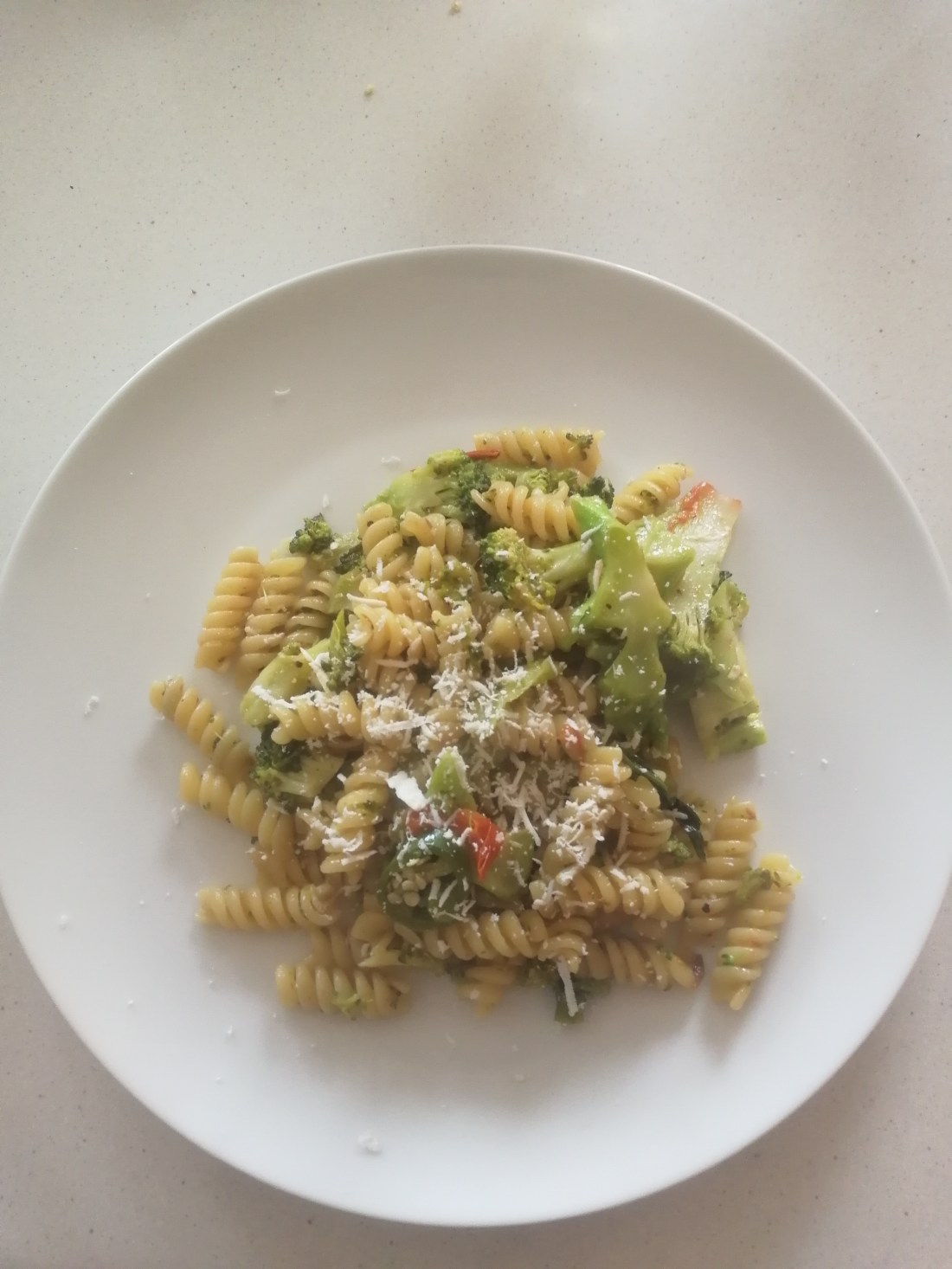
Pasta with Anchovies, Ricotta Salata and Broccoli

Hey three readers, I’m back to publish this recipe, which has become a staple in my life. Very easy, no big requirements, guaranteed success. A friend has asked me to put it down, so here is what you’ll need:

  • 400 g of pasta. I like to use fusilli (e.g. La Molisana) but orecchiette are more traditional, given this recipe come from Puglia;
  • A piece of ricotta salata (I get it from Harris Farm or Crown Street Grocer, Sydney);
  • 90g of anchovy fillets in olive oil (you MUST use the brand Delicius, see here. Again, Crown Street Grocer);
  • a broccoli head;
  • a little parsley branch;
  • a chilli;
  • a clove of garlic;
  • extra virgin olive oil;
  • salt and pepper;

A note on ricotta salata. Ricotta salata is the aged salty version of ricotta. I strongly recommend you to use it, but if you really can’t find it or want to try out the recipe with what you have in the house, you can use pecorino or even parmesan (not recommended).

Put a pan on low-medium heat and light fry some chilli (at your discretion), a parsley branch and a clove of peeled garlic in a generous amount of evo oil. Add half of the anchovies too, making them dissolve into the oil.

When the garlic has browned (after about 5 minutes), remove it and the parsley branch, otherwise they’ll end up burning.

Now add all the chopped broccoli to the pan. The finer you chop them, the more the sauce will be “creamy” rather than chunky. The broccoli will absorb most of the flavoursome oil. That’s okay. I usually just top up after with an extra bit of oil though.

That’s it. Let the Fettuccelle boil in salty water separately for 10 minutes and then add them to the pan with a ladle of pasta water. Mix the pasta vigorously as it finishes cooking with the sauce on a high flame.

Only when the pasta is cooked (al dente!) You can turn the heat off and start grating the ricotta salata on top, while also mixing. This is what we called the “mantecatura” phase. Remember: heat off. You’re not looking for a pasta with strings of cheese. The cheese should remain kind of raw and blend in with the sauce.

Extra tips. (1) If the pasta gets too dry while on the pan, adjust the creaminess by adding pasta water to it. (2) If you want to take the edge off the anchovies, add half a glass of dry white wine to the oil-anchovies mix. Then let the alcohol evaporate. Then add the broccoli. (3) Some lemon peel in the soffritto is a nice addition.

Gricia by Chef Mariola

Hi relatives, I am writing this post to recommend you this video and to put the video-recipe down in words. I shall be brief and painless. I only have one thing to say before I start: this is easily the tastiest easy meat-based pasta than you could ever make. Hence, give it a chance with your guests.

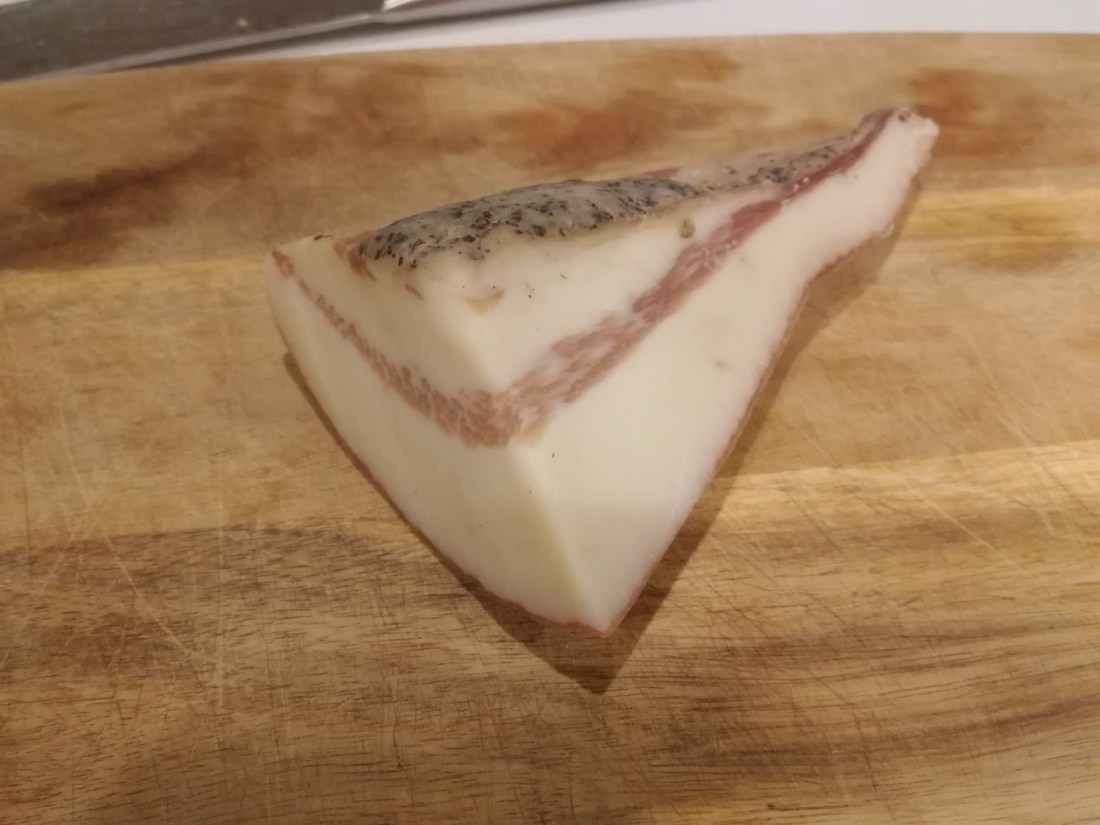
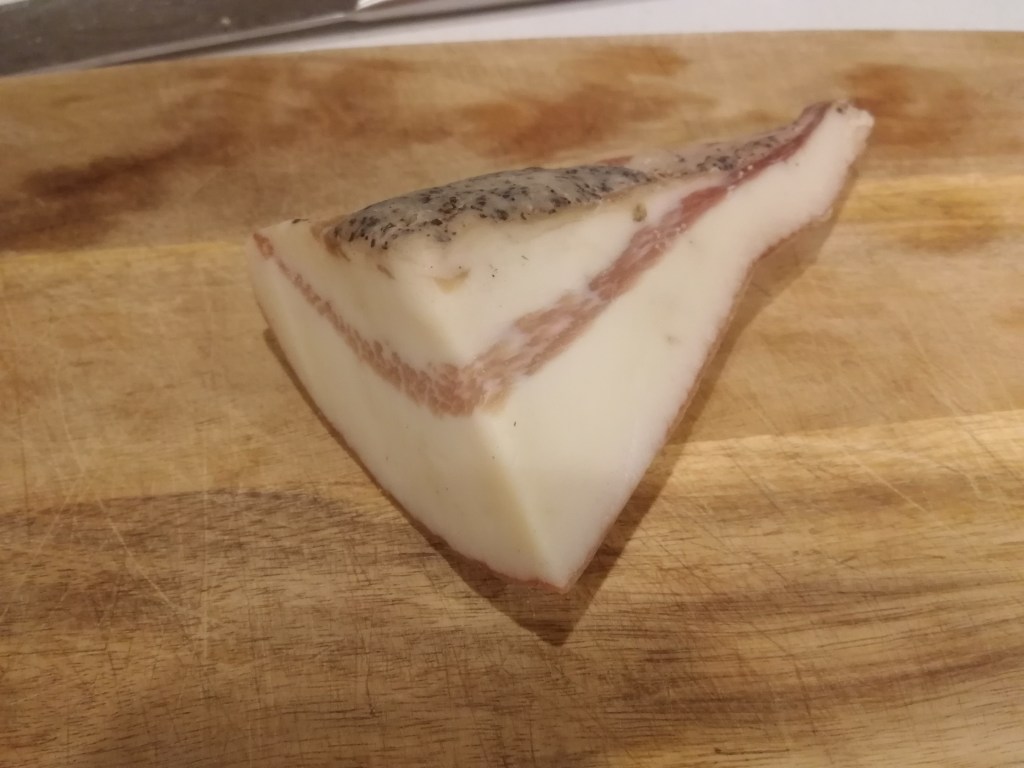
Disclaimer. Do not use pancetta nor bacon. It has to be guanciale. The flavour is completely different, lightly smoked and earthy, nutty… Heaven on Earth. In Sydney, you can find it in Harris Farm (I found it in two different shops, check the product at this link) and Crown Street Grocer (which has lots of top Italian imports and a fair price).

Ingredients. I think last time I made it for two people I used 200g of guanciale. The only other ingredients are spaghetti, a drop of white wine (best if dry), salt (for the pasta water) and pepper. The rule for buying good quality pasta, is to pick pastas that have at least 12.5 grams of proteins per 100g of product. A weak basic Barilla features only 11g, not to mention international brands. No, please, no. It will overcook and spoil your meal.

This one I got was a bit too fatty. Better to have more “red stripes” in it.

The recipe, in bullet points.

  1. Cut skin of the guanciale (cotenna)
  2. Cut the guancile in strips about .5 cm thick (no need for them to be cubes)
  3. Put in pan. Nothing else: no butter nor oil go with it
  4. Let it release its grease (the fat needs to melt)
  5. Keep mixing it so that it cooks evenly and does not stick to the pan
  6. When they are nice and golden, take the guanciale pieces out of the pan
  7. Now the pan only contains the guanciale fat
  8. Pour a little bit of white wine (less than half a glass) to take the edge off the taste of the fat
  9. Max the heat
  10. Use pecorino that is fairly fresh (not very seasoned and salty)
  11. Grate it as thin as possible: it should look like a cloud!
  12. When the alcohol has evaporated, put the pasta in the pan (when it is still a bit raw) . At this point, he removes some fat from it, I don’t… why lose flavour?
  13. Add a bit of pasta water too, to finish cooking the pasta
  14. Now grate black pepper on generously (the grey of the pepper gives the pasta its name)
  15. Keep mixing and flipping the pasta
  16. Turn heat off
  17. Add 1/3 pecorino, mix
  18. Put the cooked guanciale back in
  19. Add 1/3 pecorino, mix
  20. Add 1/3 pecorino, mix
  21. Serve

Enjoy! Buon appetito.

(Blue Swimmer) Crab Pasta

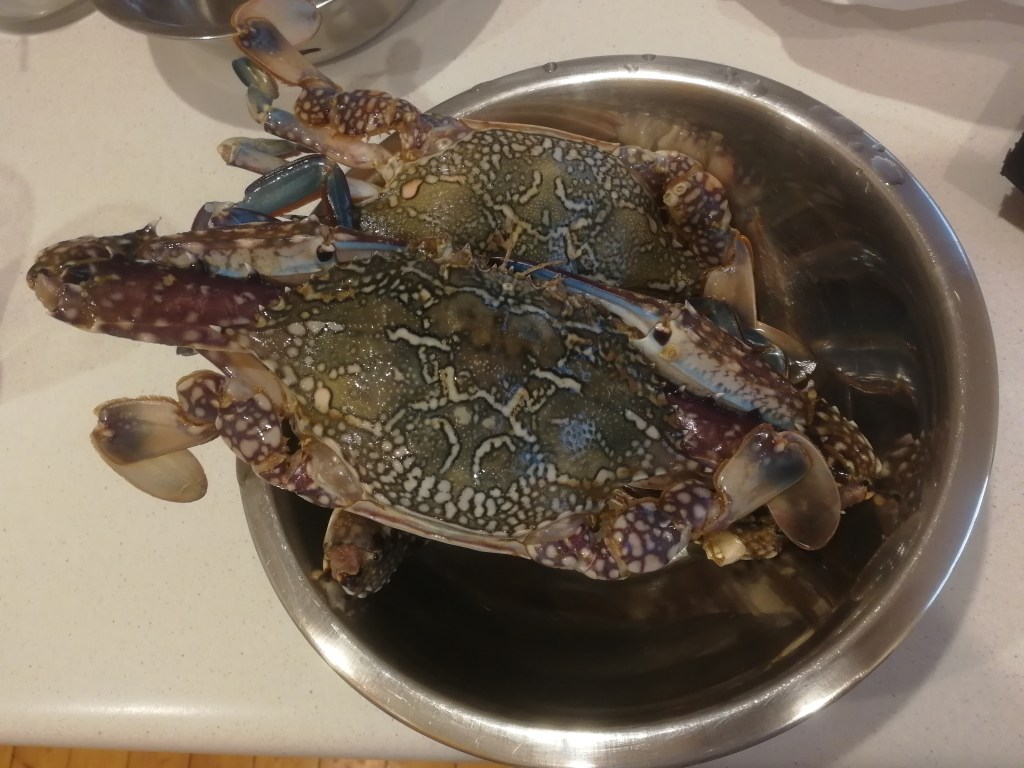
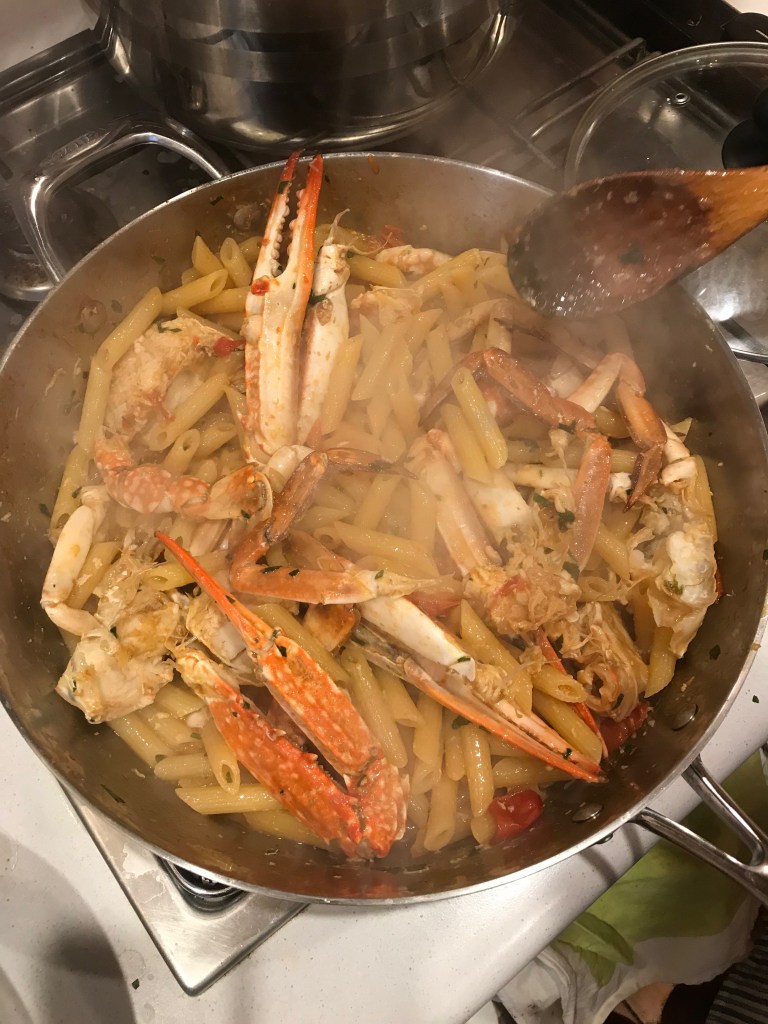
When a year ago I started getting into Italian seafood cousine, I immediately got obsessed with one of the world’s highest delicacies: crustacean pasta. Here in Australia I tried both the Blue Swimmer Crab and the Mud Crab, which is much bigger and more impressive, and for pasta sauce purposes I preferred the former.

This is a great dish and I decided to write about it after making it for New Year’s Eve and being enthusiastic about the outcome. I used this video recipe as a starting point and modified it slightly.

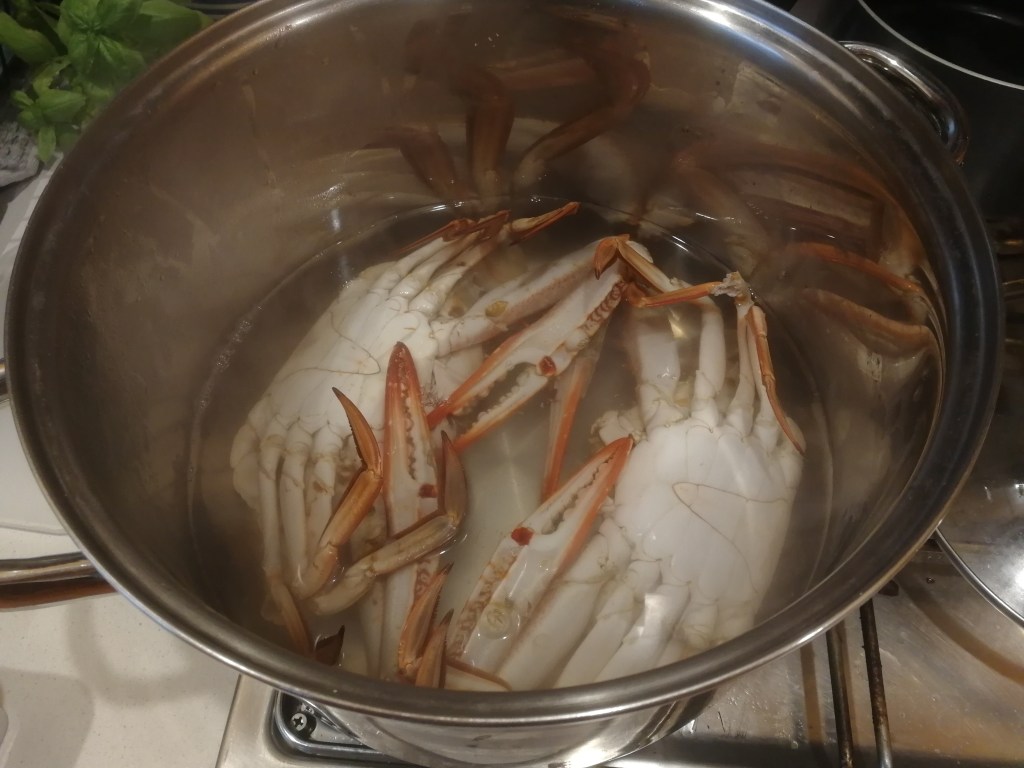
  1. Boil the crabs (or crab) for 3 minutes circa in a pot with enough salted water to use later to cook your pasta. The idea is to start cooking the crabs while enriching the flavour of the water in the process. For bigger crabs, cook for a couple of minutes extra.
  1. In the meantime, make a soffritto by lightly-frying a garlic clove, a chilli (it’s not a spicy dish, this is just for extra flavour) and a parsley stem (no leaves because they burn quickly). If you leave them cooking on minimal heat you can proceed with the next steps without turning the fire off.
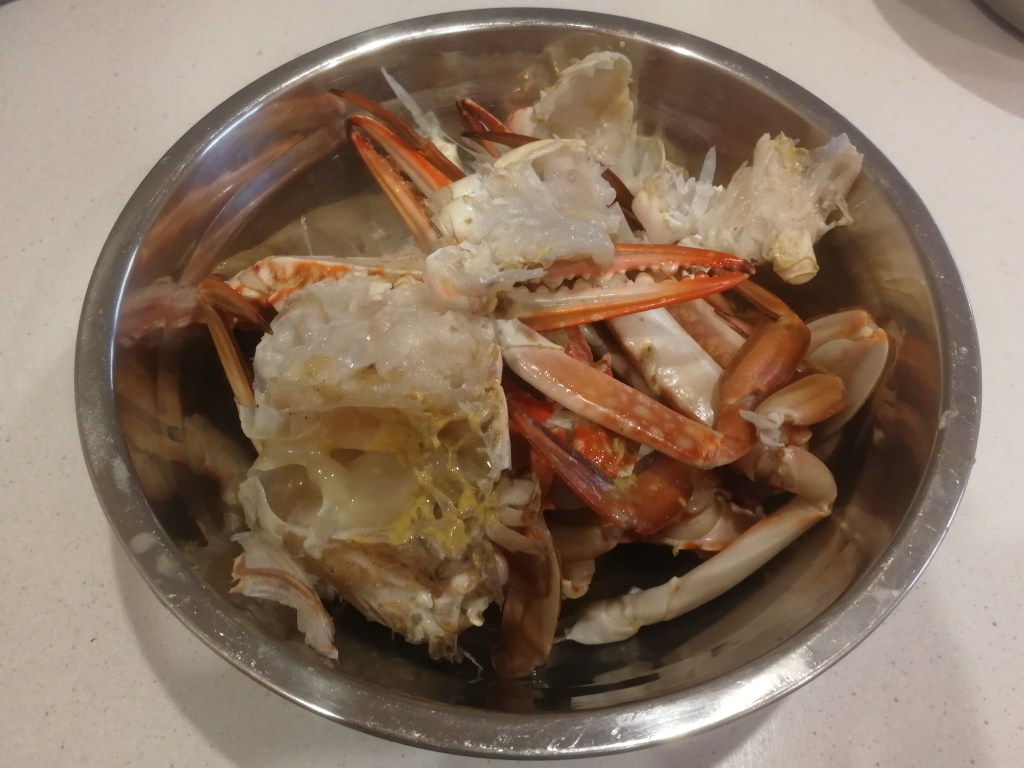
  2. Remove the crabs from the water and clean them as shown here. Mine is a lazy man’s recipe, so I simply remove the tail of the crab and its gills, but I do not extract any meat from the crab. It’s boring, it takes time and appropriate tools and getting dirty is integral to the crab-eating experience.
  3. IMPORTANT: When you crack the torso open, it will release a sizeable amount of juicy water. Do not let it go to waste. Collect the water using a bowl during the procedure.
  4. Put the top part of the torsos — the meatless shells — and the residual water detailed at point (4) into the boiling pasta water. To confirm, this is the water you have cooked the crab in in step (1). You are hence left with the legs and the meaty part of the torso — which you have split in two as shown here.
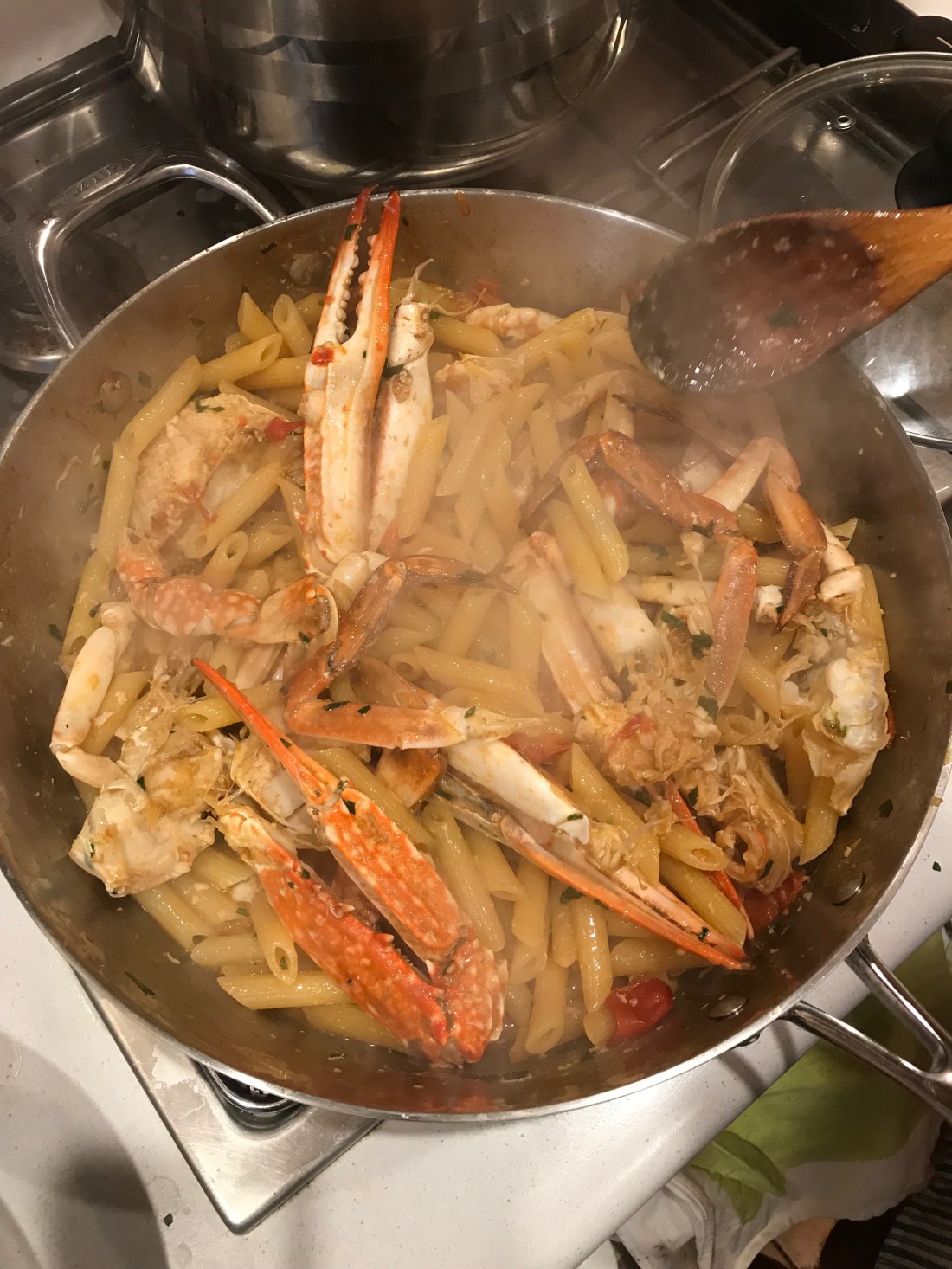
Crab parts that will go in the sauce pan.
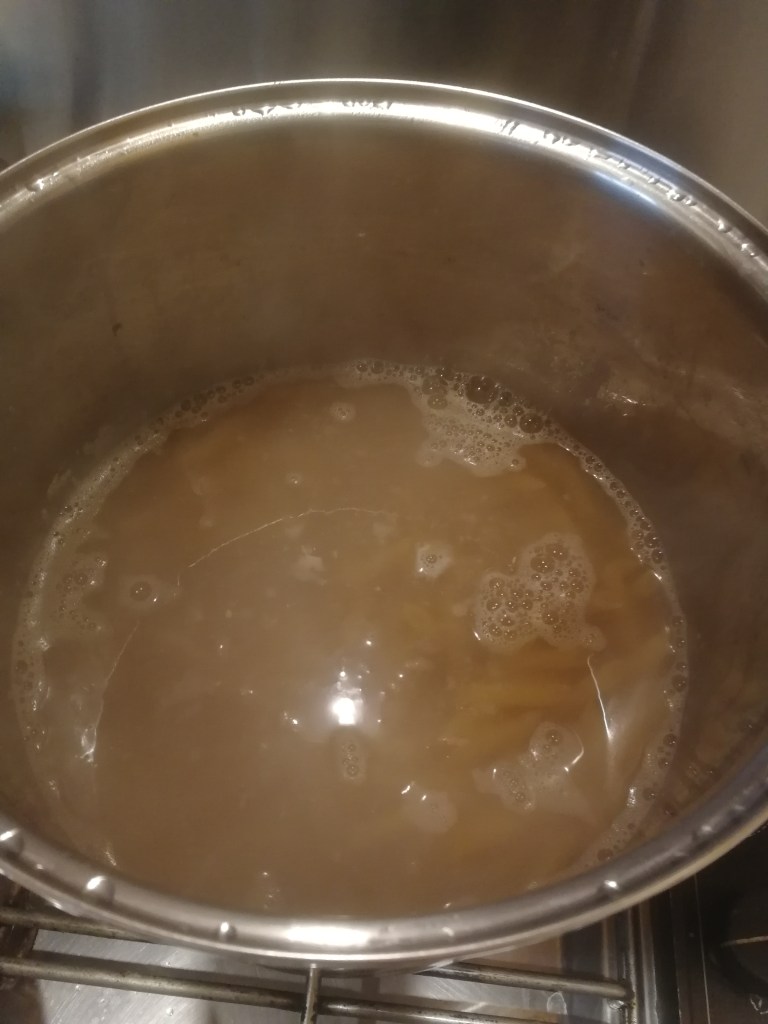
  1. Put the pasta in the boiling pasta water. The juices of the crabs should have made this water dark and flavoursome. You can remove the crab shells and use them to embellish the plate in the dishing phase.
Pasta getting cooked in salted water rich with crab juices.
  1. While the pasta starts cooking, throw the legs and torsos in the soffritto, together with some plum tomatoes (the sweet kind). Add half a ladle of tasty pasta water too, allowing you to cook on a high flame without burning the soffritto.
  2. After about 5 minutes, add some brandy (or cognac) to the pan and flambé, as shown here or by lighting it using a match.
  3. It is important that you finish cooking the pasta in the sauce pan. This procedure is called risotto-ing the pasta. The pasta still needs to cook for, say, 3 minutes. You place it in the sauce pan and add ladles of pasta water until the pasta is ready (to check when ready, simply keep tasting it). Watch this helpful video if you are confused. Keep either flipping the pasta or mixing it vigorously with a wooden spoon throughout the process. The idea is to trap air into the sauce so that it might thicken.
  1. While cooking, add some tomato paste. It will enrich the flavour while not making the sauce too tomato-y. During the last minute of cooking, add some chopped parsley too. Keep a pinch of parsley on the side to add directly on the pasta when plating the dish.

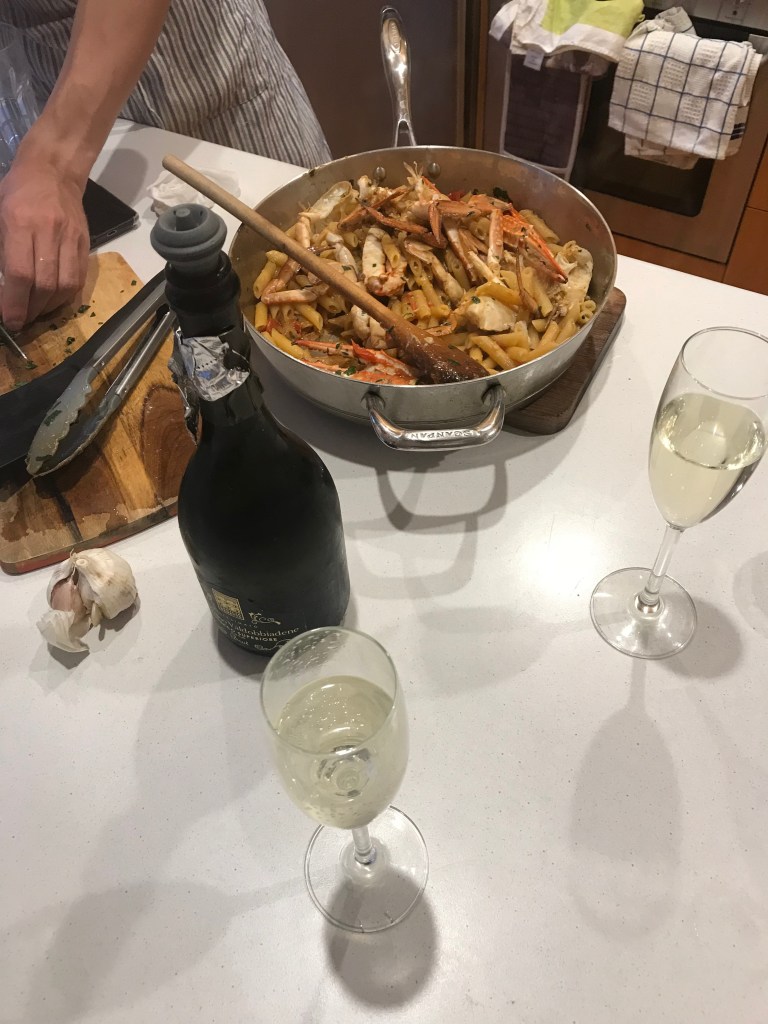
Congratulations, you have successfully prepared a dish that will make you famous among your friends!

Spaghetti Bottarga

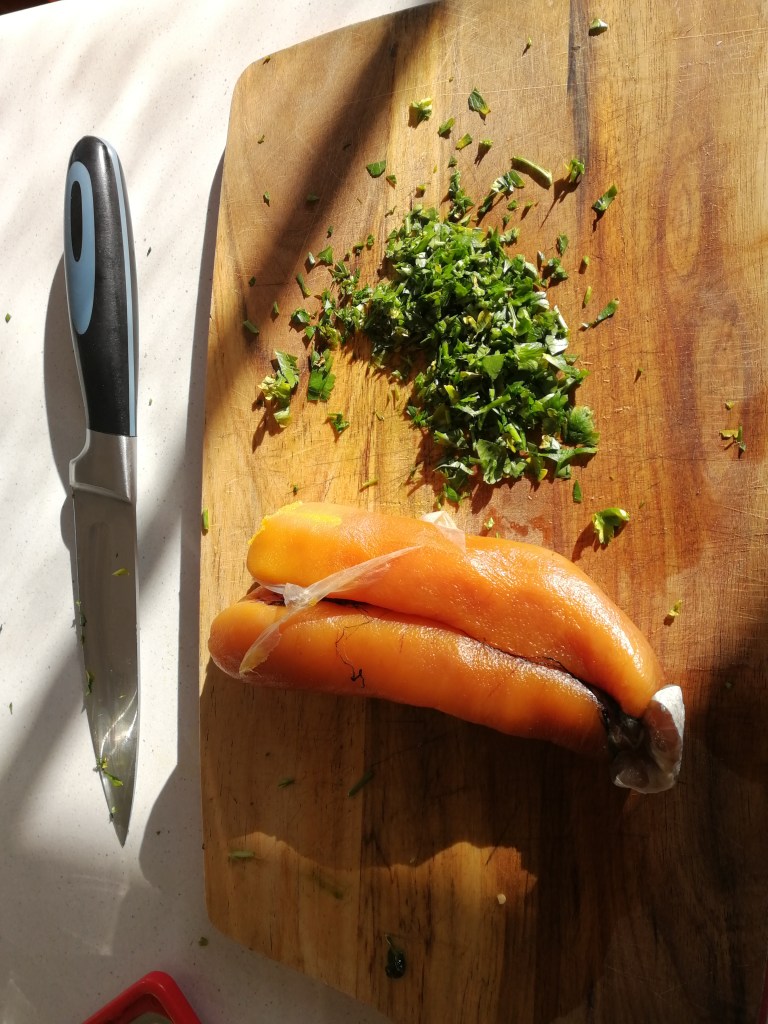
Spaghetti con la bottarga has always been one of my favourite dishes. It is so full of character, so quintessentially marine. Enough poetry, let us learn how to make this delicacy. The idea is to make a aglio, olio e peperoncino (aka spaghetti with garlic, e.v. olive oil and chilli) and then to grate bottarga on it. Hence,

  1. Fill a large pot with water and put it on a high flame; while it you wait for it to boil, do the rest;
  2. Finely chop a bit of parsley: you will need it later;
  3. While the water heats up, pour extra virgin olive oil (e.v.o.) on a pan, medium flame. It needs to be a good quality e.v.o.;
  4. Once the oil is hot, put garlic and chilli into the pan and let them lightly fry;
  5. The water is boiling: salt it. If you don’t know how much salt to put, follow this rule of thumb: For each 100 grams of pasta, put 1 litre of water and 10 grams of salt;
  6. Now put the spaghetti in the boiling salted water;
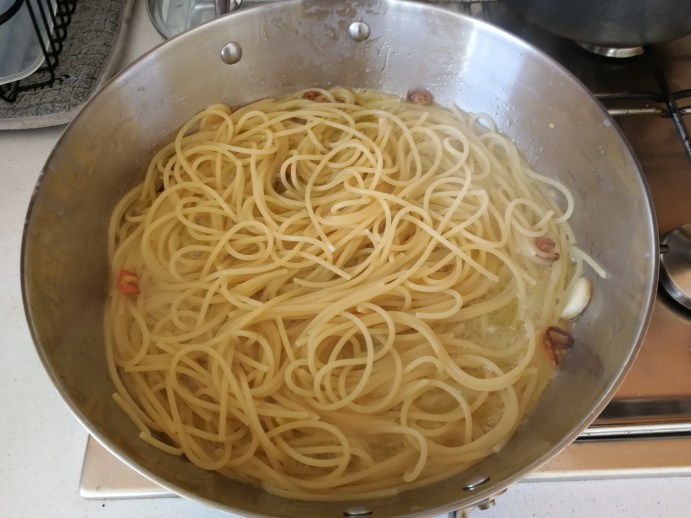
  7. Cook the pasta al dente. The suggested cooking time for pasta al dente is usually written on the pasta box. However, for this recipe, drain the spaghetti one minute before that suggested cooking time and place the spaghetti in the pan (with the garlic and chilli). Keep some pasta water on the side, in case you need to adjust the density of the “sauce”;
    The aglio, olio e peperoncino finishes to cook in the pan (I added some water because it needed more cooking)
  8. Pan-fry the spaghetti for a minute;
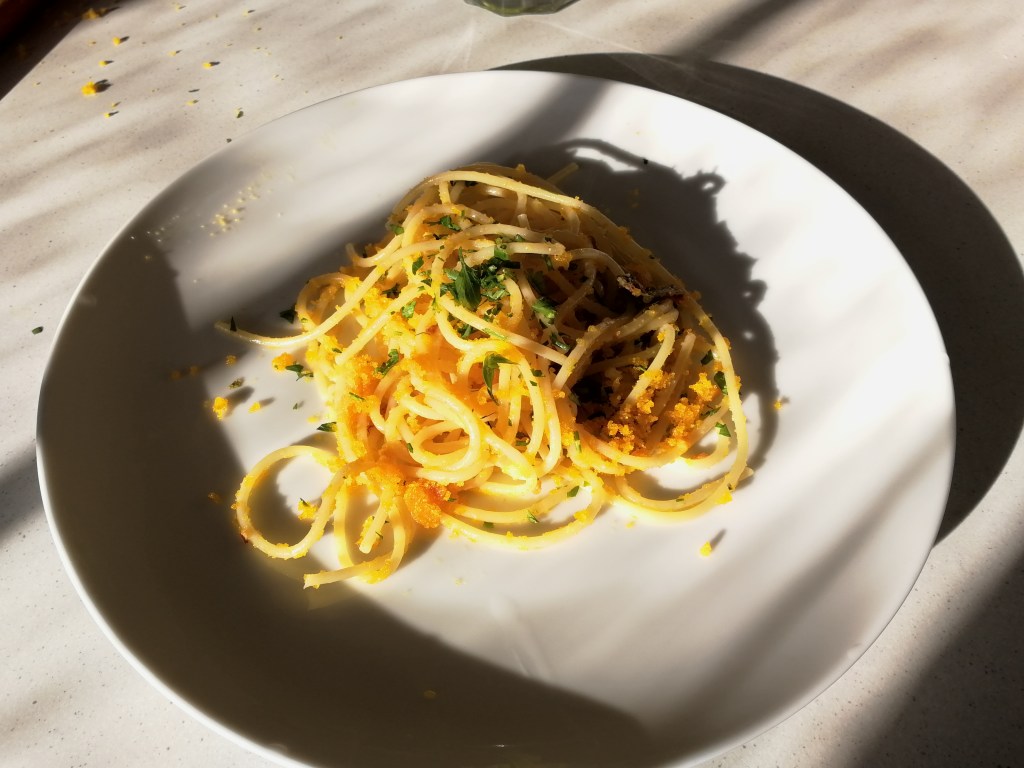
  9. Once the minute has passed, turn the flame off and finely grate about a tablespoon of bottarga onto the spaghetti and gently mix. Be careful not to over do it, you will grate some more bottarga on each individual plate that you serve;
  10. The final step is to serve the pasta! As already noted, you may grate a bit more bottarga on top of the spaghetti. Don’t forget to sprinkle with parsley.

Congratulations! You are a privileged human being. Fortunately I still have some bottarga in the fridge…